
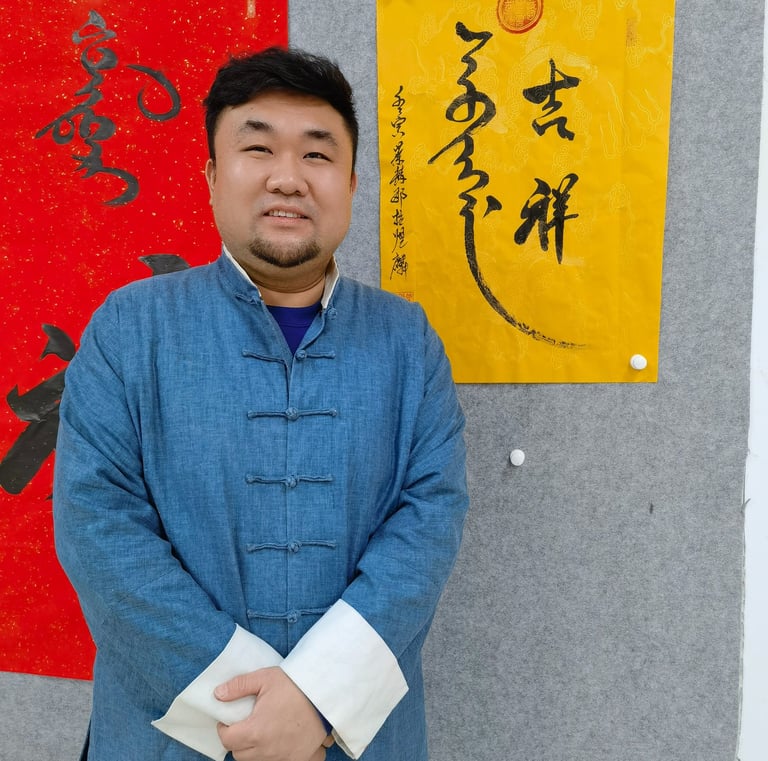
MING YE · Yehenara Yulin
Manchu calligrapher, researcher, and founder of InkBridge Cultural LLC.
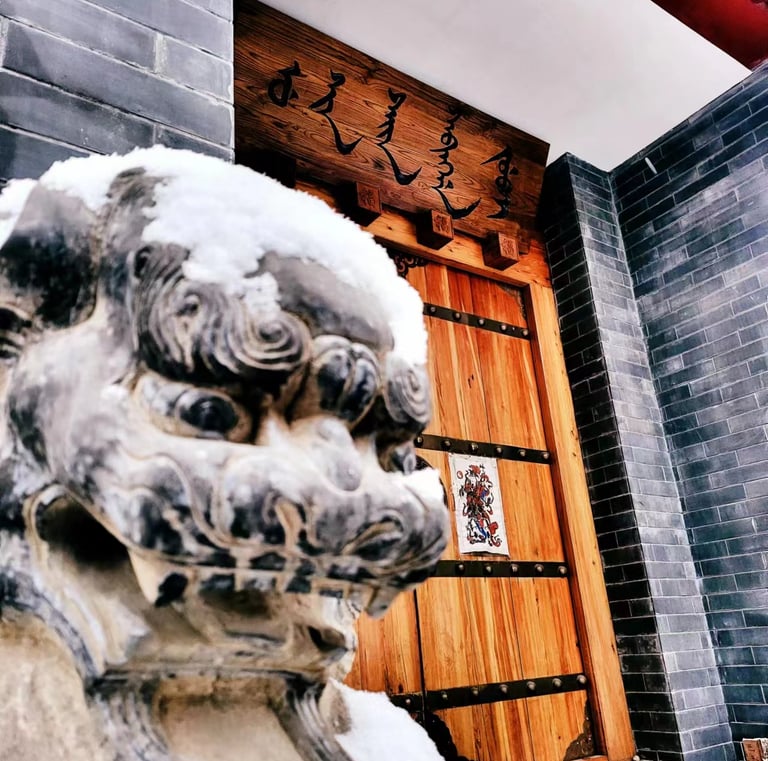
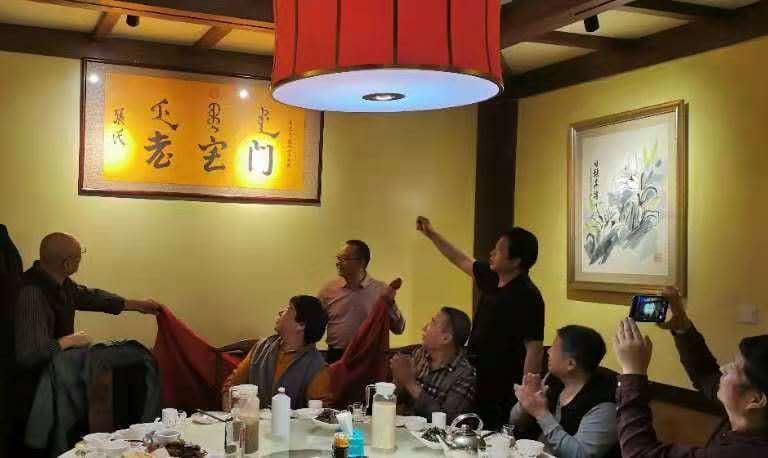
About MING YE
Ye Ming / Yehenara Yulin
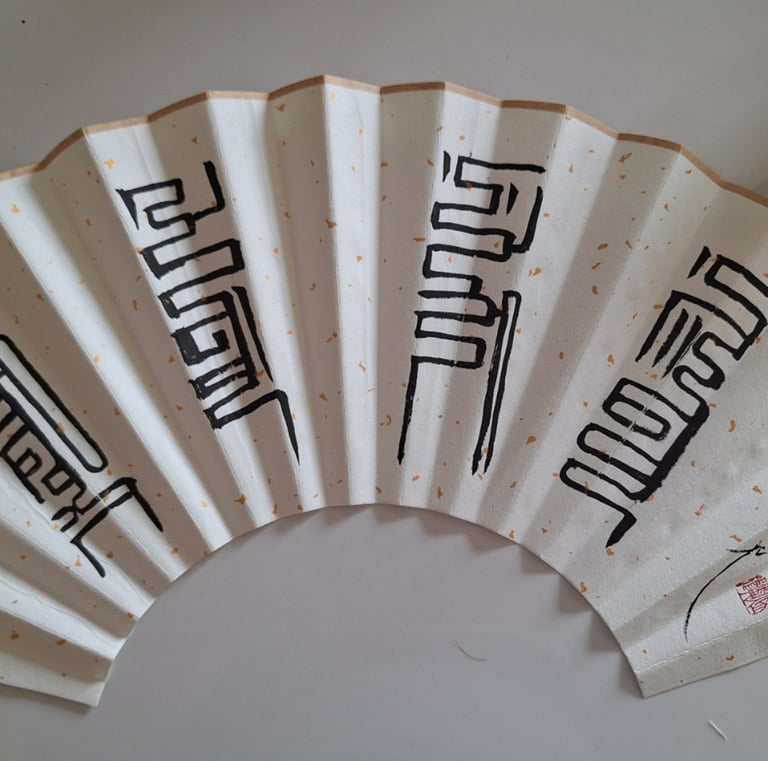
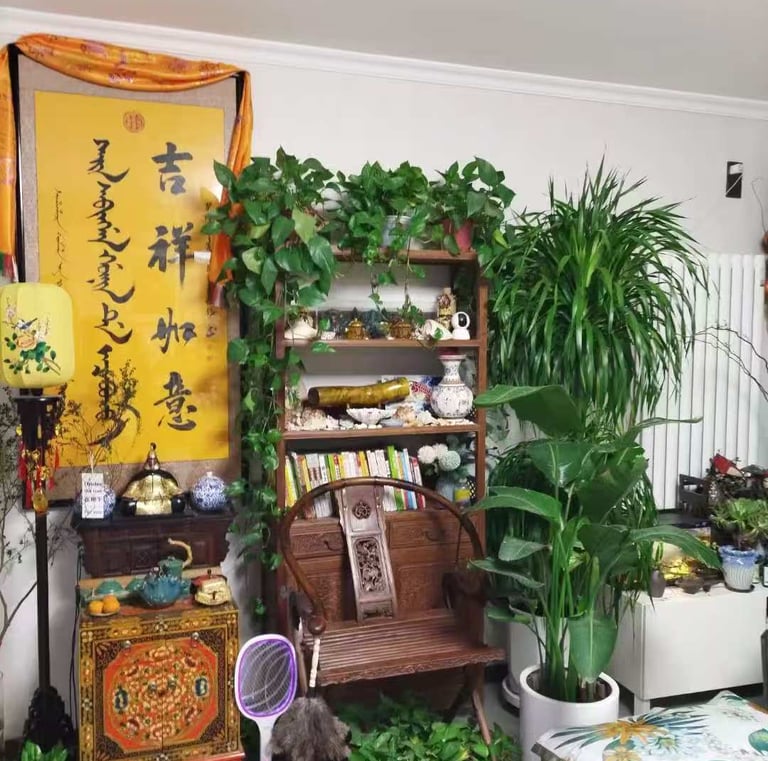
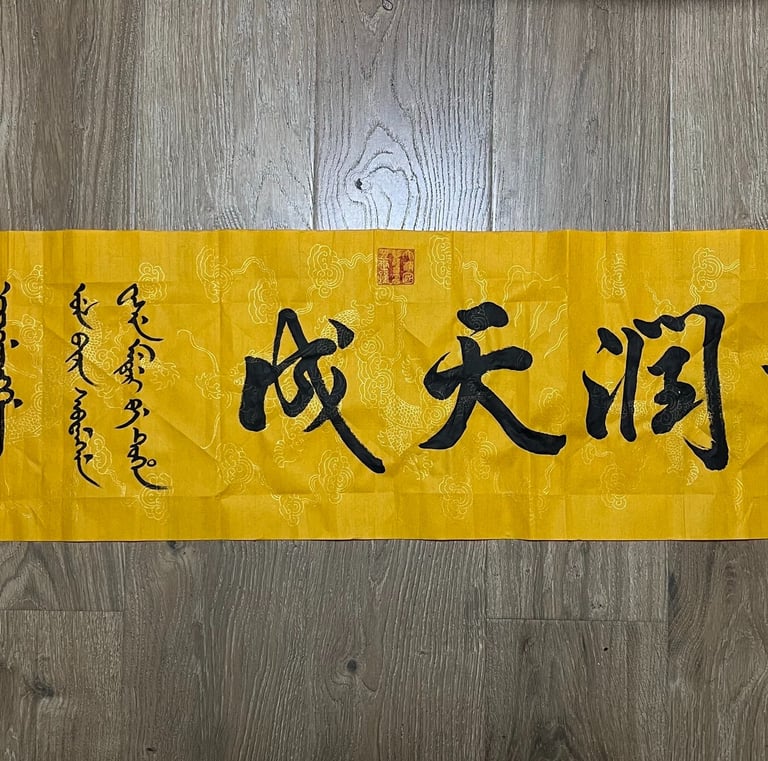
Ye Ming, also known by his pen name Yehenara Yulin, is a Manchu calligrapher, researcher and cultural practitioner, and the founder of InkBridge Cultural LLC. For more than two decades, his work has centered on the Manchu language and script, Manchu history and culture, and the artistic traditions of historical writing systems. His primary areas of practice include Manchu calligraphy, Manchu–Chinese combined calligraphy, Manchu seal script, and artistic work involving the Jurchen script.
His practice extends beyond calligraphy in the conventional sense. Drawing on his long-term study of Manchu language, writing, history and culture, Ye brings together different writing systems, calligraphic traditions and principles of visual composition. His work has gradually expanded into publishing, exhibitions, cultural communication, education, commercial applications, and contemporary letterform design.
From Manchu Cultural Research to Manchu Calligraphy
Since the early 2000s, Ye has been actively involved in the study, documentation and promotion of the Manchu language, script, history and culture.
In his early career, he spent many years leading Jixiang Manchu, an online platform devoted to Manchu culture, while participating in publishing projects, academic and cultural exchanges, public programs, and other initiatives related to Manchu history and heritage. Through this work, he gradually developed a long-term professional direction grounded in Manchu history and culture, with the Manchu script at its center.
Ye has participated in the writing and publication of several books related to Manchu history, culture and language. Over time, his sustained engagement with language and cultural research transformed Manchu script from a subject of study into an important medium of artistic expression, eventually leading to a creative practice centered on Manchu calligraphy and cross-script visual art.
Manchu, Chinese, Manchu Seal Script, and Jurchen Script
A distinctive feature of Ye’s calligraphic practice is his engagement with multiple writing systems.
In addition to traditional Manchu calligraphy, he has long explored Manchu–Chinese combined calligraphy, while also creating works involving Manchu seal script, Jurchen script, and other historical forms of writing.
Rather than simply placing different scripts side by side, Ye approaches each work as a unified visual composition. Depending on the subject, scale, spatial relationships and artistic concept, he reorganizes the size, placement, proportion, density, calligraphic style, seals and negative space of different scripts so that they function together as a complete work.
As a result, his work can be experienced on two levels: it can be read through its linguistic and cultural content, while viewers unfamiliar with Manchu or Jurchen script can also encounter it first as a visual form.
This attention to the relationship between written content, calligraphic form, visual composition and display space has become an important characteristic of his artistic practice.
Manchu–Chinese Calligraphy and Cross-Script Visual Art
Manchu–Chinese combined calligraphy has been one of Ye’s long-standing areas of artistic exploration.
The presentation of Manchu and Chinese together has deep historical roots in China. Building on this tradition, Ye explores contemporary ways of bringing the two writing systems into a shared visual composition while preserving the structural character of each script.
This practice has gradually expanded to include Manchu seal script, Jurchen script and other historical writing forms.
For Ye, cross-script creation means more than simply being able to write in different scripts. It involves understanding their distinct structural characteristics and transforming those differences into visual resources for artistic composition.
Transforming Script into Cultural Practice
Over more than two decades, Ye’s work has gradually expanded from language research and calligraphic creation into a broader range of real-world contexts.
His calligraphic works have entered the professional art market and have been sold through auction. His works and cultural projects have also appeared in exhibitions and cultural exchanges in different regions. His professional activities have extended into book publishing, art judging, cultural projects, educational collaboration, and the application of Manchu calligraphy and visual elements in cultural products.
His work and related cultural activities have also received attention from both English-language and Chinese-language media.
Together, these different forms of practice reflect an important aspect of Ye’s work: transforming relatively specialized traditional scripts and cultural knowledge, through calligraphy, visual art and cross-cultural expression, into cultural forms that can be exhibited, read, taught, communicated and applied in contemporary settings.
This transformation can take the form of artistic and market value, but also cultural communication, education, publishing, public engagement and cross-cultural exchange.
LMGS: From Traditional Script Structure to Contemporary Letterform Design
Ye’s long-standing approach to cross-script and visual integration has also extended into his contemporary design practice.
He created the LMGS (Linear Matrix Glyph System), an experimental system that extracts selected structural and visual principles inspired by Manchu seal script and applies them to the redesign of the twenty-six letters of the English alphabet.
Rather than simply replacing English letters with Manchu-style forms, LMGS explores relationships among structure, line, proportion and visual order across different writing systems.
Through LMGS, Ye’s long-term experimentation with Manchu, Chinese, Manchu seal script and historical writing forms expands into the field of Latin-letter design. The project also offers a new exploration of how visual principles derived from traditional writing systems can enter contemporary design and cross-cultural communication.
From China to the United States
Ye currently lives and works in the Houston area of Texas, where he continues his artistic, educational and cultural work through InkBridge Cultural LLC. His current activities include calligraphy and visual-art creation, cultural education, exhibitions, digital content, and cross-cultural projects.
Working in the United States has also introduced his work to audiences with very different cultural backgrounds.
For many viewers unfamiliar with Manchu script, their first encounter with it may be visual rather than linguistic. Ye therefore seeks to allow audiences to first see the script as an artistic form, then discover the language, history and culture behind it.
This progression—from visual experience to script, and from script to culture—has become an important part of his approach to presenting Manchu writing and culture in a cross-cultural environment.
Bringing Historical Scripts into Contemporary Life
From the study of Manchu history and culture to Manchu calligraphy; from Manchu–Chinese compositions, Manchu seal script and Jurchen writing to exhibitions, publishing, education and commercial applications; and from these practices to LMGS and experiments with Latin-letter design, Ye’s work over more than two decades has continued to develop around one central question:
How can historical writing traditions not only be preserved, but continue to be used, seen, understood and given new forms of expression in contemporary life?
For Ye, preserving tradition does not mean keeping it confined to the past.
A writing tradition can continue to live when it re-enters art, space, education, communication and everyday life, creating new relationships with contemporary audiences.
Beginning with Manchu script and Manchu culture, Ye seeks to build new connections between historical writing traditions and contemporary life through calligraphy, visual art and cross-cultural practice—giving people from different cultural backgrounds opportunities to encounter and experience the distinctive visual language of Manchu script and the cultural traditions behind it.
Cultural Projects
Promoting Manchu culture through art and education initiatives.
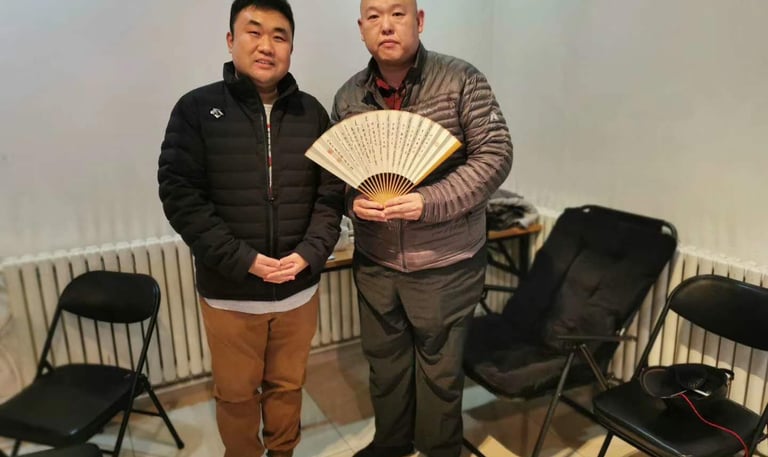
Artistic Endeavors
Yehanara Yulin's projects focus on preserving and promoting Manchu heritage through various artistic expressions and educational programs, fostering a deeper understanding of this rich cultural legacy.
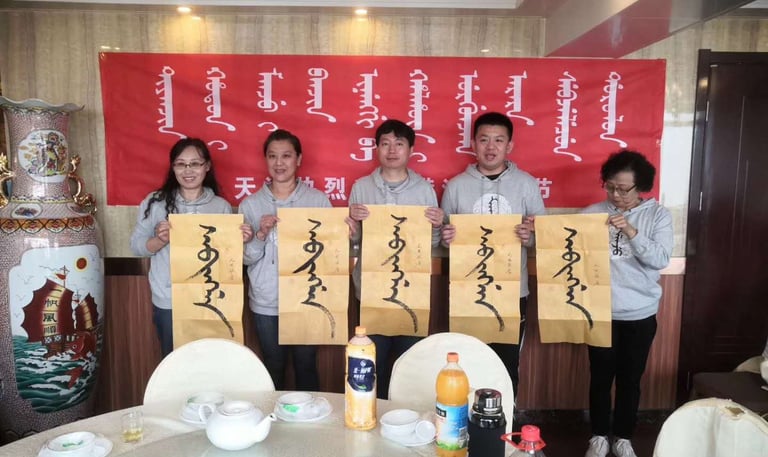
Cultural Education
Through lectures and workshops, Yehanara Yulin educates students about Manchu traditions, ensuring the continuation of this unique cultural identity for future generations.


Cultural Education
Research & Publications
Through lectures and workshops, Yehanara Yulin educates students about Manchu traditions, ensuring the continuation of this unique cultural identity for future generations.
Through lectures and workshops, Yehanara Yulin educates students about Manchu traditions, ensuring the continuation of this unique cultural identity for future generations.
MING YE’s research and writing focus on the Manchu language and script, Manchu cultural history, historical writing systems, and their contemporary interpretation.