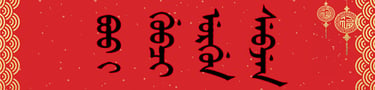
Traditional Calligraphy Enters a Texas Community: Ming Ye Connects Visual Art and Cultural Exchange Through Cross-Script Works
Traditional Calligraphy Enters a Texas Community: Ming Ye Connects Visual Art and Cultural Exchange Through Cross-Script Works
Fiona
9/23/20264 min read


Traditional Calligraphy Enters a Texas Community: Ming Ye Connects Visual Art and Cultural Exchange Through Cross-Script Works
By Fiona
From Chinese calligraphy to Chinese–English and Manchu–English paired works, traditional writing is finding new ways to connect with American community audiences through visual art.
RICHMOND, Texas, Sept. 23, 2026 — Calligrapher and Manchu cultural researcher Ming Ye, also known as Yehenara Yulin, participated in a community Culture Night held in Richmond, Texas, on September 22, introducing local residents to traditional Chinese calligraphy and the visual possibilities of different writing systems through live demonstrations, artwork displays, and hands-on brush-writing activities.
The event was held at the Cross Creek Branch of The Church of Jesus Christ of Latter-day Saints and featured cultural displays representing different countries and traditions. Visitors were invited to explore different cultures through art, writing, food, and interactive experiences.
Caption: Calligrapher Ming Ye demonstrates traditional brush calligraphy at the China cultural display during Culture Night in Richmond, Texas, on September 22, 2026.
Ye participated in the China cultural section, where he displayed calligraphic works, created new pieces on site, and invited visitors to experience traditional brush writing for themselves.
Throughout the evening, children, teenagers, and adults from different cultural backgrounds picked up brushes and experimented with ink and traditional writing techniques. Rather than simply viewing finished works, visitors were able to experience how brush movement, line, structure, and rhythm shape the visual character of calligraphy.
Caption: Visitors try traditional Chinese brush writing during the interactive calligraphy activity led by Ming Ye.
Caption: Young visitors experience traditional brush writing at the China cultural display during the community Culture Night.
For audiences unfamiliar with Chinese characters or Manchu script, calligraphy often communicates first through its visual qualities rather than its linguistic meaning. The movement of a line, the structure of a character, the use of space, and the overall composition can be experienced visually before the viewer understands what the writing means.
This idea — beginning with visual experience and then moving toward meaning — has become an increasingly important part of Ye’s artistic and cultural practice in the United States.
During the event, one visitor was drawn to a work featuring the Chinese character “梦” (dream) and asked what it meant. After learning that the character means “Dream” in English, the visitor responded enthusiastically and chose the piece to take home.
Another visitor asked Ye to create a calligraphic rendering of her Chinese name, transforming an unfamiliar writing system into a personalized artwork connected to her own experience at the event.
Caption: A visitor holds a personalized calligraphy piece created by Ming Ye featuring her Chinese name.
These encounters reflect a new direction Ye has been exploring for English-speaking audiences.
In addition to his long-standing work in Manchu calligraphy, Chinese calligraphy, and Manchu–Chinese combined calligraphy, Ye has recently begun developing what he calls Chinese–English paired calligraphy and Manchu–English paired calligraphy.
In these works, Chinese characters or Manchu script remain the primary calligraphic and visual elements, while English words provide an accessible point of entry for viewers who may not be familiar with the original writing systems.
A viewer who cannot read Chinese, for example, may first be attracted to the brushwork and visual form of “梦,” and then discover its meaning through the English word “Dream.” Similarly, someone encountering Manchu script for the first time can experience its distinctive vertical structure and flowing lines before using the accompanying English word to understand the meaning of the work.
The goal is not to replace traditional scripts with English, but to create a bridge between visual experience and linguistic understanding while preserving the distinctive character of the original writing.
Caption: Community participants engage directly with calligraphy through hands-on brush writing, turning traditional writing into an interactive cultural experience.
“Many people seeing Chinese or Manchu writing for the first time may not know what it means, but that does not prevent them from experiencing it first as visual art,” Ye said. “They may be drawn to the lines, structure, or overall composition. When they then discover that a character represents an idea such as Dream, Love, Home, or Hope, a new connection begins to form between the artwork and the viewer.”
This approach — seeing first, understanding next — is becoming an important part of Ye’s work in presenting traditional writing to audiences in the United States.
Ye has worked for more than two decades with Manchu language, history, culture, and traditional writing arts. His artistic practice includes Manchu calligraphy, Chinese calligraphy, Manchu–Chinese combined calligraphy, Manchu seal script, and cross-script visual art. In recent years, he has increasingly explored how these traditional writing resources can enter contemporary settings through visual art, education, and cultural exchange.
Caption: Visitors from different cultural backgrounds explore the China cultural display during Culture Night in Richmond, Texas.
Now based in the Houston area, Ye continues his artistic, educational, and cultural work through InkBridge Cultural LLC, including calligraphy creation, cultural education, digital content, and community-based cultural projects.
The Culture Night event represents one example of Ye’s growing community cultural practice in the United States.
For Ye, preserving traditional writing is not only about maintaining an old form of script. It is also about allowing historical writing traditions to enter contemporary art, public spaces, education, and everyday human interaction.
When someone who has never encountered a particular script stops because of its visual form, discovers its meaning through a familiar English word, and perhaps even picks up a brush to experience writing it, a historical writing tradition becomes more than something to observe.
It becomes a living form of visual art, cultural experience, and human connection.